October 13, 2013

Weird Insects - Part 2 - Gall-forming insects

In the past article, I discussed insects that hide themselves in unique ways, either through materials they collect or produce themselves.  In this article, I'll look at insects (or insect-like creatures) that hide through stimulation of plant cellular division and enlargement, or through the formation of galls.

Gall forming Insects
Gall forming insects (or things that we call insects incorrectly) lay their eggs into cells or tissue layers, causing a gall to form from plant growth hormones  produced by the plant’s wound response or by the production of the PGHs themselves (or something similar).  Regardless, the plant is stimulated to have a small to massive amount of cell division and enlargement, creating a gall.  In some cases, it is a tiny gall, in others, it is sizeable.  Regardless, it is interesting.

Leaf Gall Mites (different species with the family Eriophyidae)
These tiny pests are not actually insects (closer to spiders), but they lay their eggs in the leaf and a very small, erupted gall forms.  It doesn’t seem to do much damage, other than make things look a bit weird.  Some gall mites can produce quite colourful erupted galls.  Some galls are actually disrupted leaf hairs, with no penetration of the leaf itself.
 
Leaf gall mites on Elm - raised areas are erupted cellular growth, each containing an immature mite

Multiple galls from gall mites on Elm - this may be a different species, as the eruptions/galls are somewhat more rounded than the ones in the above picture

Many, many galls from mite egg laying on Elm
Chokecherry Fruit Gall Midge (Contarinia virginianae)
This insect can actually be quite a pest if the population gets ramped up, but generally it just causes a minor amount of damage to just a few fruit.  The normally pea-sized chokecherry swells to the size of small to medium sized grape, turns bright red (rather than green through to purple), and is full of bright orange wriggling maggoty larvae.  It is pretty revolting, but a vivid example.

Chokecherry Fruit Gall Midge-infested fruit - fruit is enlarged, bright red and a bit misshapen
Several fruit are infested with Chokecherry Fruit Gall Midge on this plant - Note, galls range in size

Heavy infestation of Chokecherry Fruit Gall Midge

Houston, we have a problem - major infestation of Chokecherry Fruit Gall Midge

Opened fruit reveals numerous bright orange larvae wriggling around inside the enlarged fruit

Willow Pine Cone Gall Midge (Rabdophaga strobiloide)
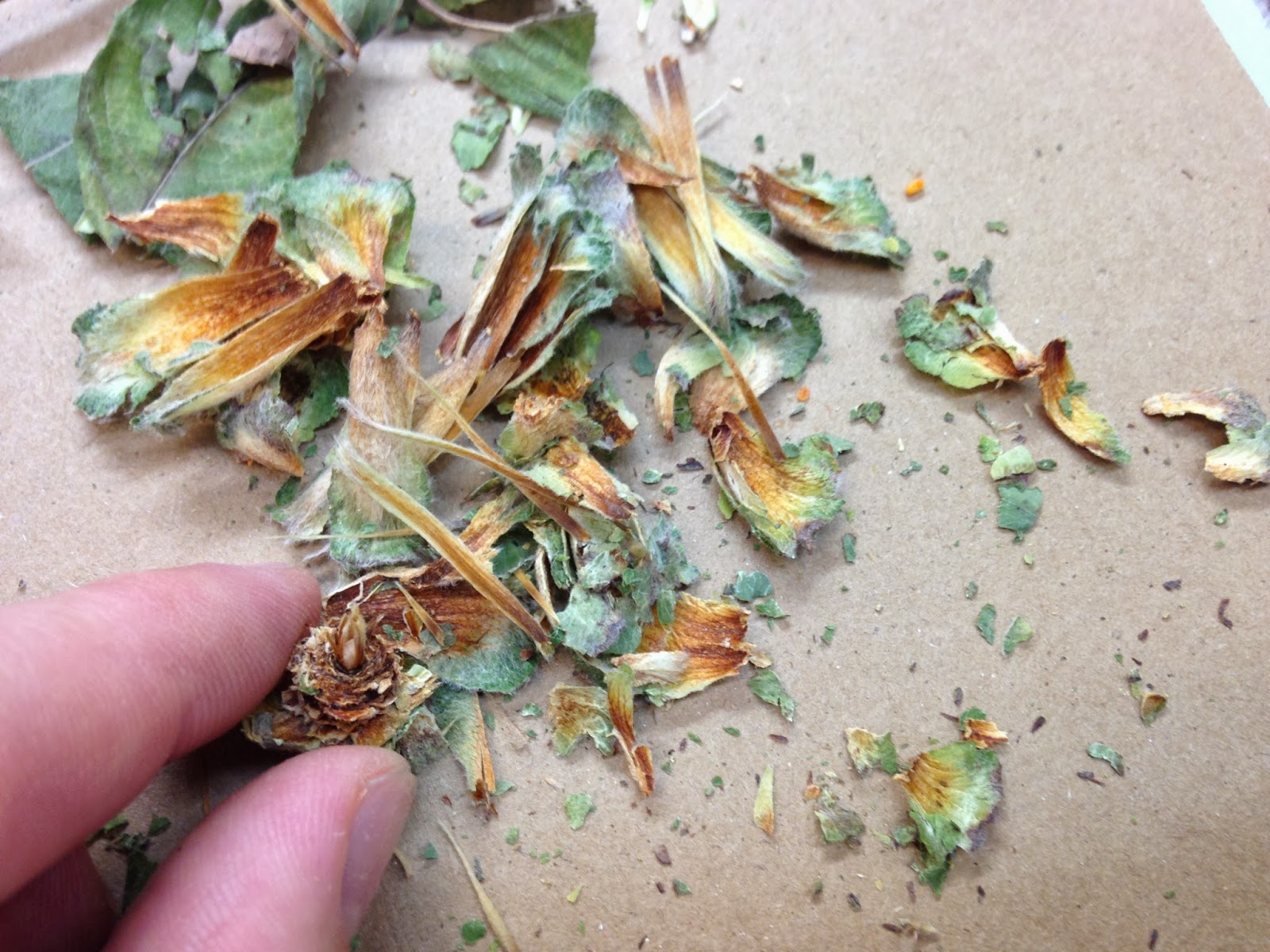
This is one weird looking example of a tiny insect making a big, showy spectacle of its shelter.  The adult is a tiny insect, called a midge.  It lays its eggs right on the tip of the growing point of a terminal (tip) bud or axillary (side shoot) bud.  The damage (and likely subsequent production of growth hormones) causes the plant to produce layers and layers of leaves, resembling a pine cone the size of a golf ball when it is done.  If you unpeel the layers, you’ll find a tiny larva exactly in the middle of the base of the “cone”.  Engineers could learn something from this insect, it is that accurate.  The larva is the size of a grain of rice.

Willow branch with a Pine Cone Gall on the terminal bud
Willow Pine Cone Gall caused by a small midge

Taking apart the gall reveals a tiny white larva at the exact centre of the mass of woody "leaves" that comprise the gall

Tiny white larva in the centre of the gall

Midge larva on the tip of the scalpel blade, having been removed from where it was sitting perfectly upright in the gall
Saskatoon berry cabbage leaf thingy from the Peace
A similar gall was observed on Saskatoon berries up in the Peace region of Alberta.  At the time, I had no idea what to make of it.  I still have no idea, but odds are, it is something similar.

Tiny cabbage leaf gall on Saskatoon berry

Bottom view of a gall on Saskatoon berry
Willow Red Gall (Pontania proxima)
Some insects lay their eggs into the leaves, resulting in a discoloured swollen area of cells, which protects the insect through its development.  In the case of this gall on willow leaves, it looks like big, hard, red lumps or blisters, but starts off as a green lump.  The immature insect is embedded deep inside the gall.  The insect is a type of sawfly, called the Willow Redgall Sawfly.
Golden Willow appears to have a bad case of "the spots"

Red swellings/galls on the leaves of Golden Willow

Galls protrude both above and below the leaf surface


Galls on willow leaves can be opened to reveal "critters"

Very small larvae were observed at the heart of the gall
Similar galls can form on the stems or branches of different species.  In this case, on willow, the hard little lumps could be seen underneath the growing point or at or near buds.  The larva was pretty small, which seems typical of many gall-forming pests.  I’m not sure of the cause.

Woody gall on the stem of a different species of willow

Removed and dissected gall reveals a small, orange larva inside

Orange speck is the larva of the gall-forming insect - it was about half the size of a grain of rice
Stem Galls
Sometimes, galls can be quite dramatic when they form on stems or trunks of trees.  If the gall develops enough, the plant could potentially be girdled (vascular system blocked) resulting in death of the plant or at least a severely stunted plant.   In the following pictures, from a grafted willow, the galls were the size of a small-ish apple and when I dug away at them, I found the pupal casing (protective developmental covering) of some sort of insect.

Large gall swellings on the trunk of a grafted willow - they were about the size of small apples (2-3 inches across)
Opened gall shows strange cellular growth

Pupal casing found inside the gall - this is where the insect developed for a period of time before emerging

Pupal casing removed from the gall - the approximate size was 1/4 to 1/2 inch in length

October 10, 2013

Weird Insects - Part 1 - Introduction & Hiders

For reference, I am a plant pathologist by training.  This means that the focus of a good chunk of my studies has been centred on organism or factors that cause disease, whether a bacterium, fungus or perhaps an abiotic (non-living) process.  Despite my tendency towards all things rotting, in my work over the past decade I have developed a fascination for unusual insects.  More often, it is the strange things that they do to plants to hide or protect themselves or as they feed that catches my eye.

Introduction
Insects can do an incredible amount of damage to plants.  Some insects eat specific layers of cells, or suck the juices out of plant parts or do whatever they do best to eat and thrive.  Some insects just sit out in the open and feed, in some cases consuming foliage at an amazing rate.  This sort of damage is fairly obvious.  Other insects are more subtle (or wise, that is debatable), preferring to create shelters to protect them while they feed, grow and develop.   Some choose something in between.

What is really neat is that sometimes the insects (or insect-like pests) that cause the biggest, most obvious injury or damage symptoms are actually tiny immature insects.  What follows is a rogues’ gallery of some of the interesting insects that I’ve come across over the past few years.  I’ll try to break them into sections of similar actions or similar species.  Since I am not an entomologist (a.k.a. Bug guy), my groupings may offend those with more training or education.  Too bad, so sad.  In this, I’m in it for the entertainment value.  In some cases, some of the insects that I share with you could fit into several categories.

Hiders
Lots of insects go to great lengths to conceal or protect themselves from harm during development and end up producing are some wild symptoms.

Maple Leafcutter (Paraclemensia acerifoliella)
This insect has a history in other regions of causing a fair bit of damage to maples.  In Alberta, there wasn’t really a record of it until a few years ago, when it was discovered on an entirely different species, Saskatoon berry (Amelanchier alnifolia).  This insect skeletonizes (feeds on the surface leaf tissues) from underneath a shield that it creates from two pieces of leaf.  As the larva develops, it has to replace the shield with a bigger one.  The feeding damage is unique and the shield sticks out, however, you do have to dig and peel to expose this critter.

Maple leafcutter - shielded insect

Maple Leafcutter - shielded insect under cover, preparing to cut a new shield (lower left); previously cut out leaf tissue evident (lower right)

Shielded insect revealed within 2 layers of leaf shields
Meadow Spittle Bug (Philaenus spumarius)
This little critter creates a froth of its own spit to hide within, feeding on the plant.  The froth is pretty gross, but overall the damage created isn’t severe.
Meadow Spittle Bug - spittle mass on the stem of a weed

Meadow Spittle Bug - spittle mass on a strawberry leaf

Meadow Spittle Bug nymph
Pine Needle Scale (Chionaspis pinifoliae)
In some cases, insects create their own shelter from their own materials.  In the case of the Pine Needle Scale, which affects spruce, pine and firs, the coverage is a bit of waxy armour that is excreted by the females as they sort of suction cup themselves to the needles, remaining there for the duration of their lives, as they lay eggs underneath them.  The presence of scales resembles what I’ve seen described as “paint splatter”.  The crawlers (the immature form) emerge to move briefly before settling in to feed on the needles (they pierce and suck).

Pine needle scale - "paint splatter" symptom

Closer view of Pine Needle Scale insects on srpuce needles.  The black specks are the emergence holes of the "crawlers" (immature stage)

Pine Needle Scales - white spots are the female scale insects that have attached themselves to the needle to feed, lay eggs and protect the eggs and young crawlers

Leafminers (range of species)
There are many different leafmining insects out there.  These insects lay their eggs into the cellular layers between the outer epidermal layers and the larvae feed and grow with this improvised pocket until they are ready to chew a hole and drop to the ground to finish their development over winter.  Some leafminers chew channels or tunnels, other just go to town within the entire area, as is evident with the Birch leafminer


Birch leafminer - note the pockets that form from feeding on the tissue layers underneat the epidermis and cuticle, as well as the frass (poop) that is visible as dark brown/black powder in the lower parts of the bubble
Another type of leafminer, this time on willow.  The feeding is more like tunnels rather than an enlarged pocket

Birch leafminer on Cutleaf Weeping Birch - tan brown areas are indicative of feeding and infestation; occasionally, in younger infestations, the larva will be visible moving around in the pocket

July 13, 2013

Simple tips for keeping diseases at bay


Every year, gardeners lose produce, sleep, hair and have their general happiness eroded through the onslaught of a range of diseases that sicken their plants and undermine their efforts to create a beautiful and productive yard and garden.

When it comes to diseases, there are three basic requirements in order for disease to occur.  Without all three, you won't get disease.  The level of each combines to create the overall severity of the disease.  The first is a susceptible host.  The second is a pathogen.  The third are conditions that favour the development of the disease.

While you can’t always fix every problem, there are a few things that you can do to try and minimize the impact due to disease.

  • Start clean – It is critical to start with the best plant material that you can.  Just because something is cheap doesn’t mean you should purchase and plant it.  Select plants that are healthy, free from disease, and that are actively growing (if that is what you want).  At the same time, make sure that the location that you have selected is good enough to give the plants a chance to get established and give them a head start on any attackers.  The same conditions will help the plant stay ahead of any attacks (hopefully). 
  •  Accept defeat (temporarily) – Some diseases will come back year after year and some diseases have very specific hosts.  If you get a disease that needs a certain host, consider not growing that plant for a couple of years, or if you have the space, don’t plant in that location.  It might mean sacrificing the taste of a favourite veggie for a short time, but in the long run, breaking the disease cycle will hopefully mean fewer headaches in the long run. 
  • Don’t over water or overfeed – It is possible to kill with kindness, especially in the garden.  Don’t succumb to the temptation to keep throwing water and fertilizer at the plants. Healthy plants are more resistant to disease (generally), whereas plant gluttons are lush, soft and overgrown: a.k.a. easy targets. 
  • Drainage – Plants generally aren’t adapted to growing in water and react accordingly when subjected to saturated or overly moist conditions.  Too much water will usually result in poor, weak growth and an increase in both root rots and other diseases.  Over watering can actually look like the early stages of drought stress, but there is no nighttime recovery or positive response to adding more water. 
  •  Let the air flow – Stagnant air or poor air flow results in higher humidity and the potential for more foliar diseases.  Don’t put plants too close together, either in beds, between or within rows.  Ensure that perennials are pruned properly and don’t create a completely enclosed, over-sheltered environment. 
  • Encourage drying – Most diseases thrive in moist conditions.  The longer leaves and plants stay wet, the easier and more quickly diseases can develop.  Consider watering in the morning, when plants will dry out more quickly.  Consider watering the soil surface, not the foliage. 
  •  Notice and rogue (remove) the rogues – If something looks weird or abnormal, take a closer look and see what is going on.  Consider taking anything that is abnormal OUT, in case it spreads to other plants. 
  •  Remove and bury – Another way to break the disease cycle it to get rid of infected material.  If something is aggressively moving through a planting, do your best to contain it.  When the season is done, encourage a rapid breakdown of the diseased material by burying it or removing it entirely from the site.

These few steps can help keep the diseases at bay and maybe cut down on the mental trauma that can come from gardening.  Good luck.

July 9, 2013

Meadow Spittle Bugs


There are literally thousands of things that surround us on a daily basis that we walk past without a second glance (or often even a first one).  However, if something is brought to our attention, we tend to notice them over and over, even if we’ve never seen them before.

Many insect and diseases are like that.  One afternoon last week, I got an email from someone asking if I knew if people were noticing a particular pest in their strawberries.  It is a very minor pest, which I’d heard of but had never set eyes on before.  Imagine my surprise (and delight, I will admit to it) when the very next morning, as I was weeding my flower bed, I came across this very insect.  Within an hour, I found it again and again in my strawberries.  It makes picking strawberries that much more interesting, since I am “eager” (yeah, I’ll admit to that), in a weird way, to find this little critter again.
Spittle mass on Creeping Bellflower (weed)
So, let me share with you this little insect that is the “proud” possessor of a fairly disgusting reputation but is, in fact, pretty fascinating.  The insect that I am referring to is the Meadow Spittle Bug.

The Meadow Spittle Bug (Philaenus spumarius) is found a number of different host plants, such as strawberry, clover, alfalfa, a number of grasses, various weeds and some ornamental plant species and is generally considered to be a minor nuisance pest in Alberta.  It is lists about 400 plant species as hosts and is considered to be a general feeder.  It can be damaging in some regions and on some crops, but not on the Canadian Prairies.

Most likely you’ll find (and recognize) MSB more by touch than sight most of the time and, odds are, MSB will be there but you won’t see it.
Frothy spittle "gift"
The first (and predominant) sign of spittle bugs is a subtle-ish frothy or foam mass on the stems, leaves, or perhaps the fruit of the host plant.  Spittle masses can range in size, but are often upwards of ½ an inch or more in diameter.  In my experience, masses can be found pretty much anywhere in the plant canopy but are most often in the lower parts of the canopy.  As you move strawberry leaves aside to find and pick the fruit, you’ll get a wet/slimy feeling and find your fingers with a bit of wetness or foam on them.  Not overly pleasant, but bearable.  You might also catch a glimpse of a mass on an upper leaf surface.
Spittle mass on upper leaf surface of a strawberry
Closer view of spittle bug mass - note individual bubbles
Spittle bugs feed by piercing and sucking.  MSBs don’t tend to cause yellowing, but if there are lots and lots of spittle bugs on the plant, you might see some stunting or perhaps wilting of the plant.

MSBs look a bit like large aphids (a bit egg or pear-shaped), but adults are mottled and winged and can hop and fly (aphids just sort of mosey slowly or park, for the most part).  They are approximately 7 mm in length.  The nymphs are what you will find inside the spittle mass.  They range from orange-yellow to green (depending on the instar (growth stage)) and can stay inside the masses for up to a month while they mature.  Unlike aphids, they can really move when they are motivated.

Spittle bug nymph (probably later instar)

Spittle bug nymph (side view)
MSBs overwinter as egg masses that are laid on lower plant parts.  Nymphs hatch and emerge in late spring.  Once the nymphs hatch they start feeding and produce a frothy mass of little bubbles.  After close examination, I can safely say that they essentially blow the bubbles out of their nether regions, which extends to look a little like a short elephant trunk that waves back and forth, side to side, depositing a bubble one at a time.  In a short time (2-3 minutes), they can produce enough bubbles to equal half their body size.  The spittle masses protect the MSB nymphs from predators and desiccation.
Meadow Spittle Bug nymph - note the slightly distended rear end (where the bubbles come from)
Spittle bug nymph blowing bubbles out of its nether regions
Some sources lead me to believe that spittle bugs are more of an issue in humid regions, which would suggest that MSB might be more of an issue in more humid years.  It certainly jives with the tendency of the MSBs to put their spittle masses in the lower canopy, where the humidity is higher.

While the MSB is gross (people hate to put a hand in the masses), it generally doesn’t merit any sort of control measures.  Weedy areas/fields tend to have more MSBs, so controlling weeds can cut down on hosts and keep populations to a minimum.  Chemical applications (if they are made) for other pests may coincidentally control the MSB, however the spittle masses also protect the nymphs for the most part.

While I am not an “insect guy”, you have to admit that insects can be pretty interesting.  So, keep an eye open.